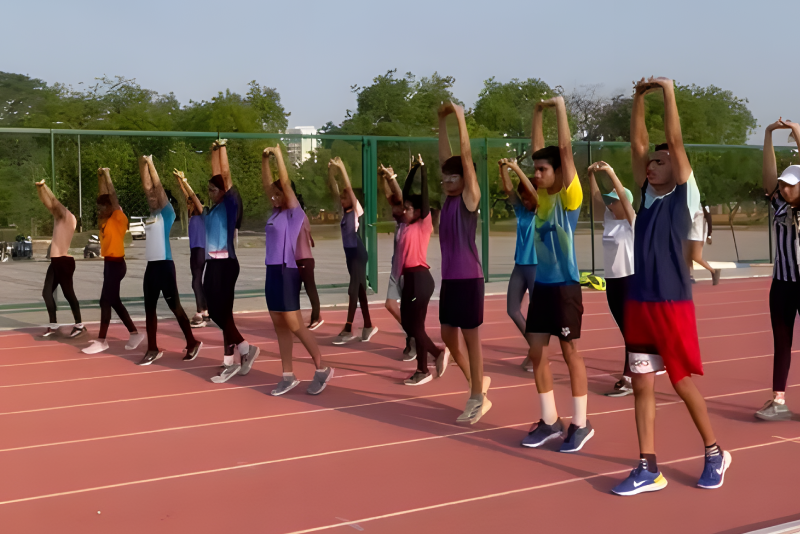
Every Olympic athlete’s journey begins long before the podium. It takes years of planning, training, and personal growth to reach the world stage. But what truly shapes a champion? It’s not just talent—it’s the right development approach. Here’s how long-term program development, all-round growth, and physical literacy play a key role in athletic success.
1. Long-Term Program Development (LTPD)
LTPD is a structured, age-appropriate training model that supports athletes throughout their careers—from childhood to peak performance and beyond. It focuses on progressive skill-building, smart recovery, and long-term health. Rather than chasing quick results, this approach develops sustainable, high-level performance while minimizing the risk of burnout or injury.
2. All-Round Development
True champions aren’t just physically strong—they’re mentally and emotionally resilient too. All-round development helps athletes grow in every area: physically, mentally, emotionally, and socially. It supports injury prevention, builds teamwork and leadership skills, and prepares athletes for life outside of sport.
3. Physical Literacy
Physical literacy is the foundation of athletic ability. It’s about developing the confidence, motivation, and movement skills to stay active for life. Athletes with high physical literacy move better, perform better, and enjoy sports more. It’s the key to long-term engagement in physical activity—whether recreational or elite.
Final Thoughts
Behind every gold medal is a smart system that supports long-term growth, whole-person development, and fundamental movement skills. Whether you’re an aspiring athlete, coach, or parent, understanding these principles can help nurture not only future Olympians—but healthier, more confident individuals in every walk of life.